Advanced Iron Man Helmet
A wearable helmet with a personal assistant, phone calls, and moving panels. The Raspberry Pi, motors, and lit faceplate fit inside a 3D-printed shell meant to be worn.
Wearables, instruments, motion platforms, and devices you can hold.
A wearable helmet with a personal assistant, phone calls, and moving panels. The Raspberry Pi, motors, and lit faceplate fit inside a 3D-printed shell meant to be worn.
A wireless meter for live performance. Each unit joins a mesh, watches MIDI, and shows level in real time, so the rig does not need a cable back to the console.
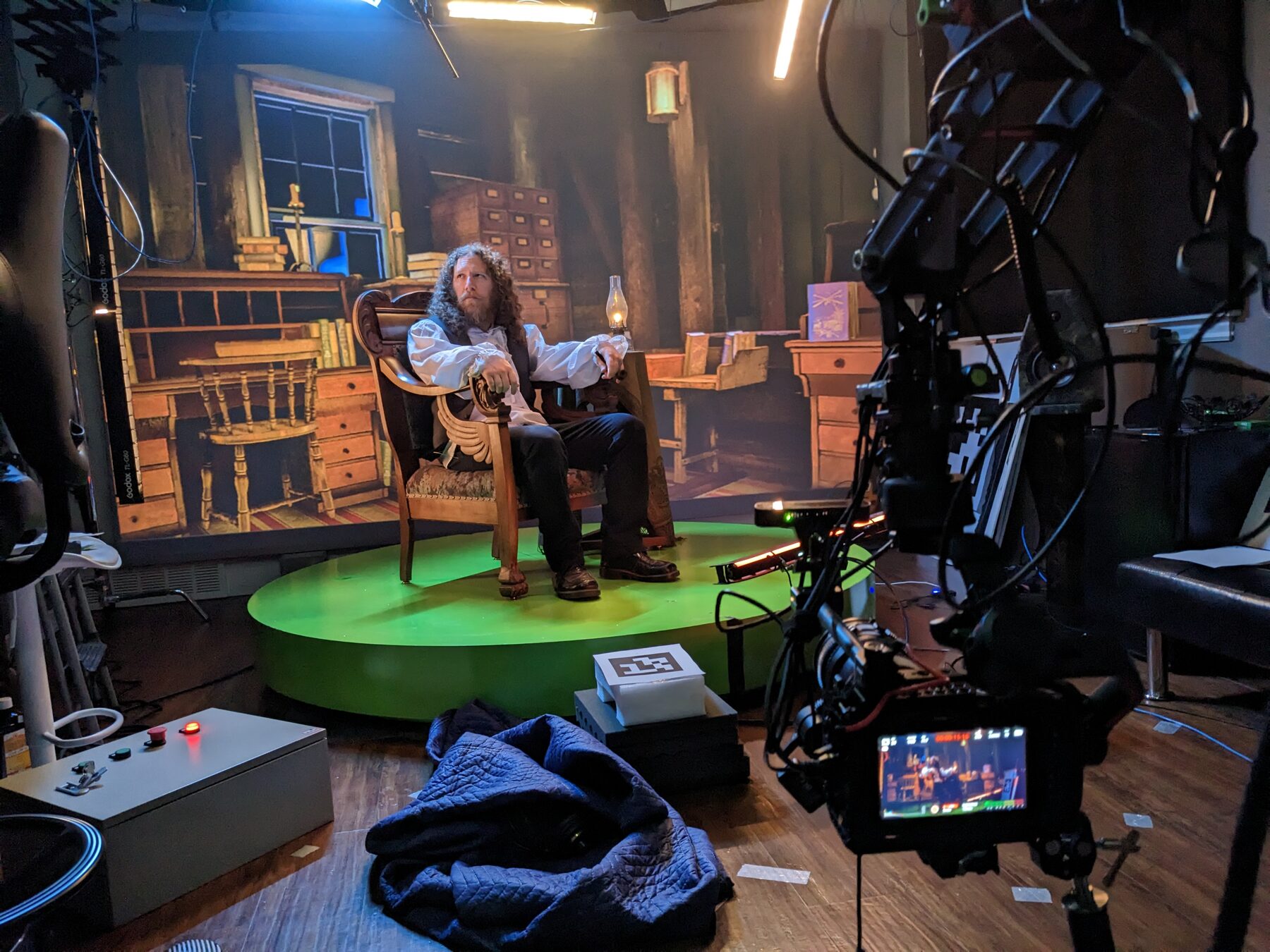
A turntable that stays locked to a virtual camera. The controller talks to the drive over Modbus, holds speed with PID, and takes cues from Unreal over OSC. A wireless app runs the platform from the set.
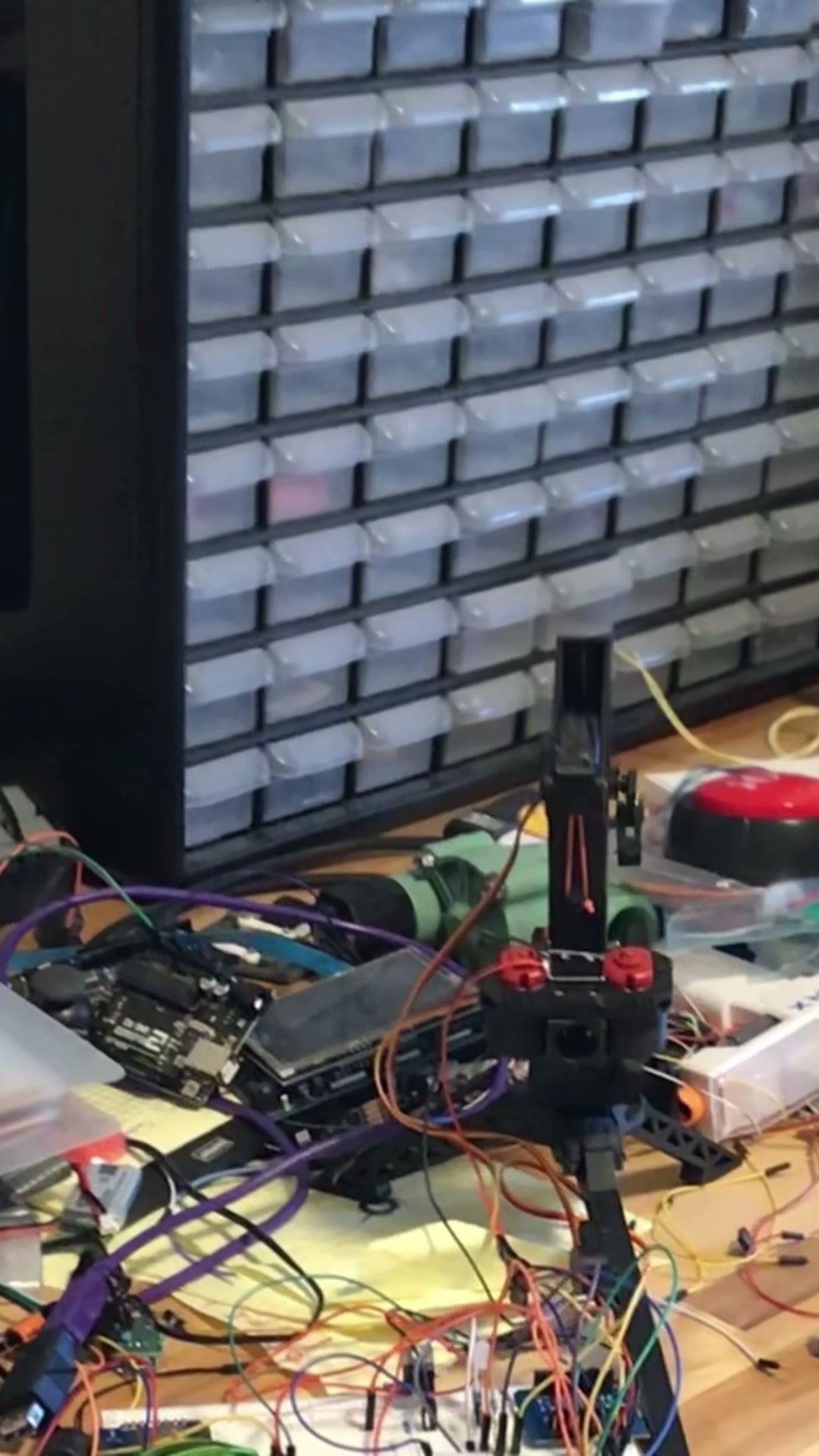
A turret that finds a person and aims. An OAK-D and a Raspberry Pi handle tracking and face recognition, while lights, sound, and servos follow the target.
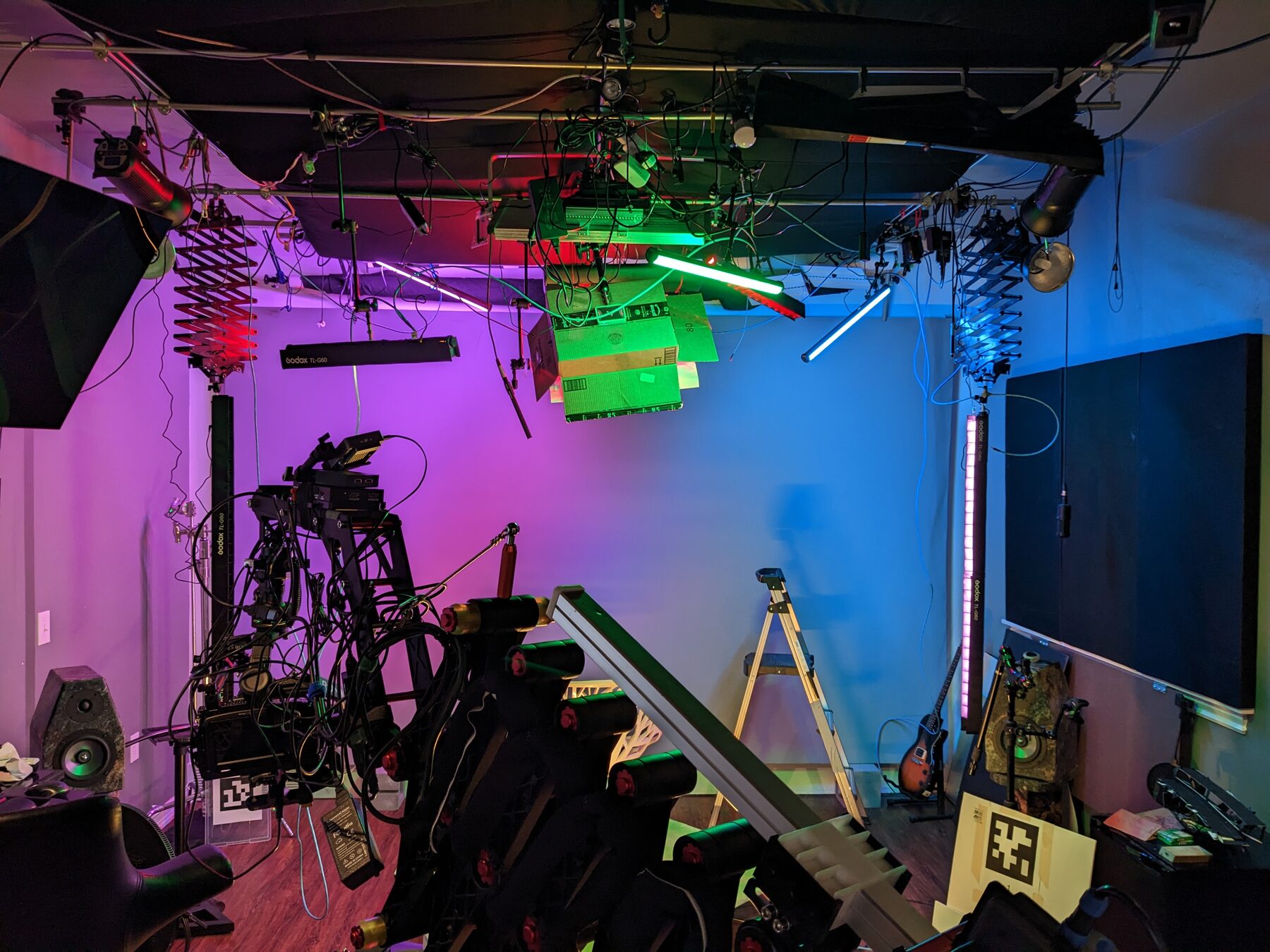
Light panels that share one cue. Separate fixtures are tied into a single DMX system so an installation moves together instead of each light running its own show.

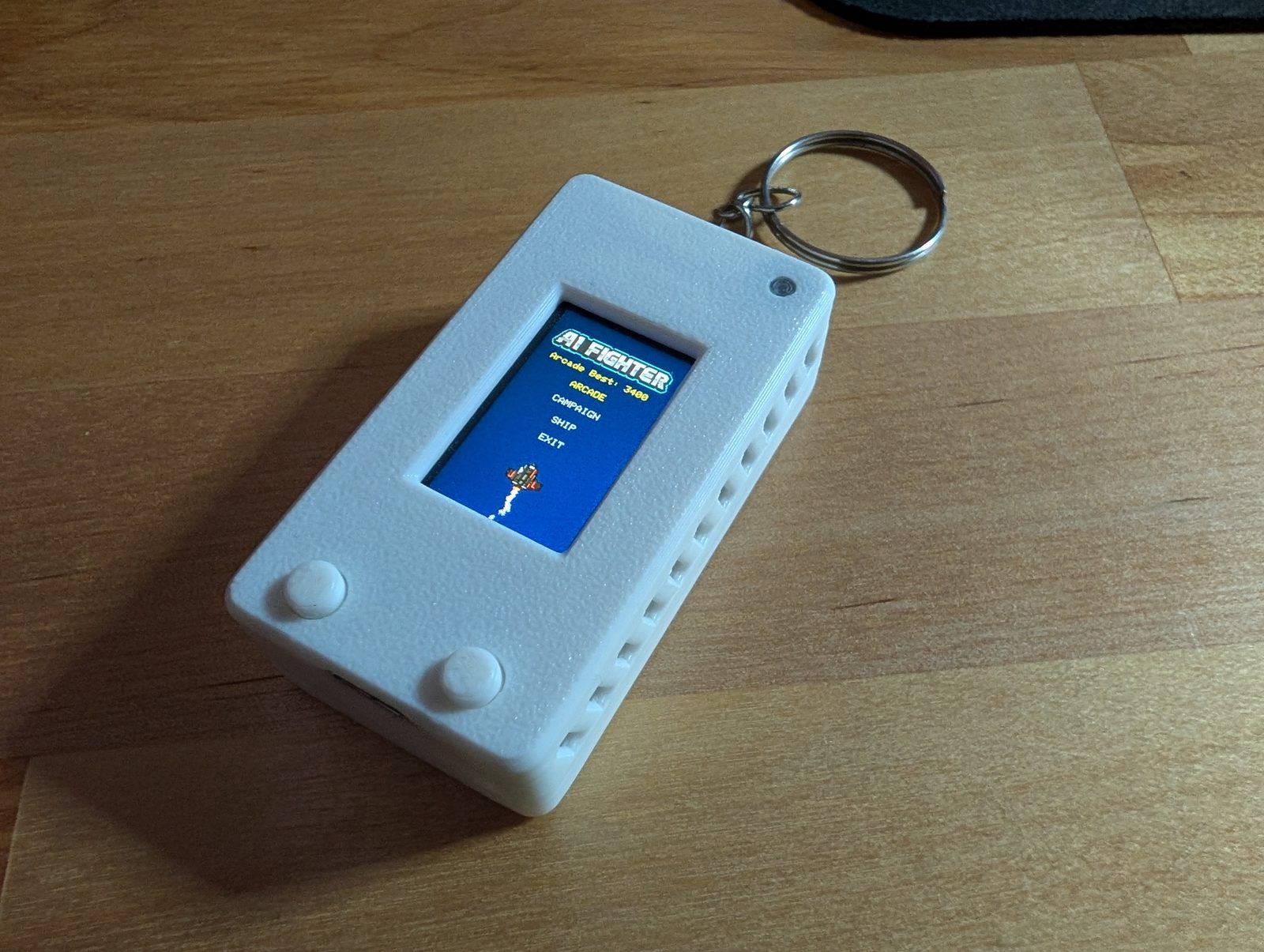
A pocket computer that starts with one board. A LilyGO T-Display is the only required part, inside a snap-fit case with no screws. Add a battery, LED, piezo, and switch when you want them. KivoOS adds apps, 2D and 3D graphics, and real-time multiplayer.
A handheld pet with a 1-bit screen. Behind it, an ESP32 runs Wi-Fi, Bluetooth, haptics, sound, and wireless charging, plus barometric and altitude sensors, in a snap-fit shell modeled in Blender.